

Redesign the workflow.
Then let AI multiply it.

Most teams use AI as a faster assistant on top of messy work. Elevenfactor maps one recurring workflow, separates judgment from execution, and shows where AI can safely prepare, route, check, draft, monitor, or stop.

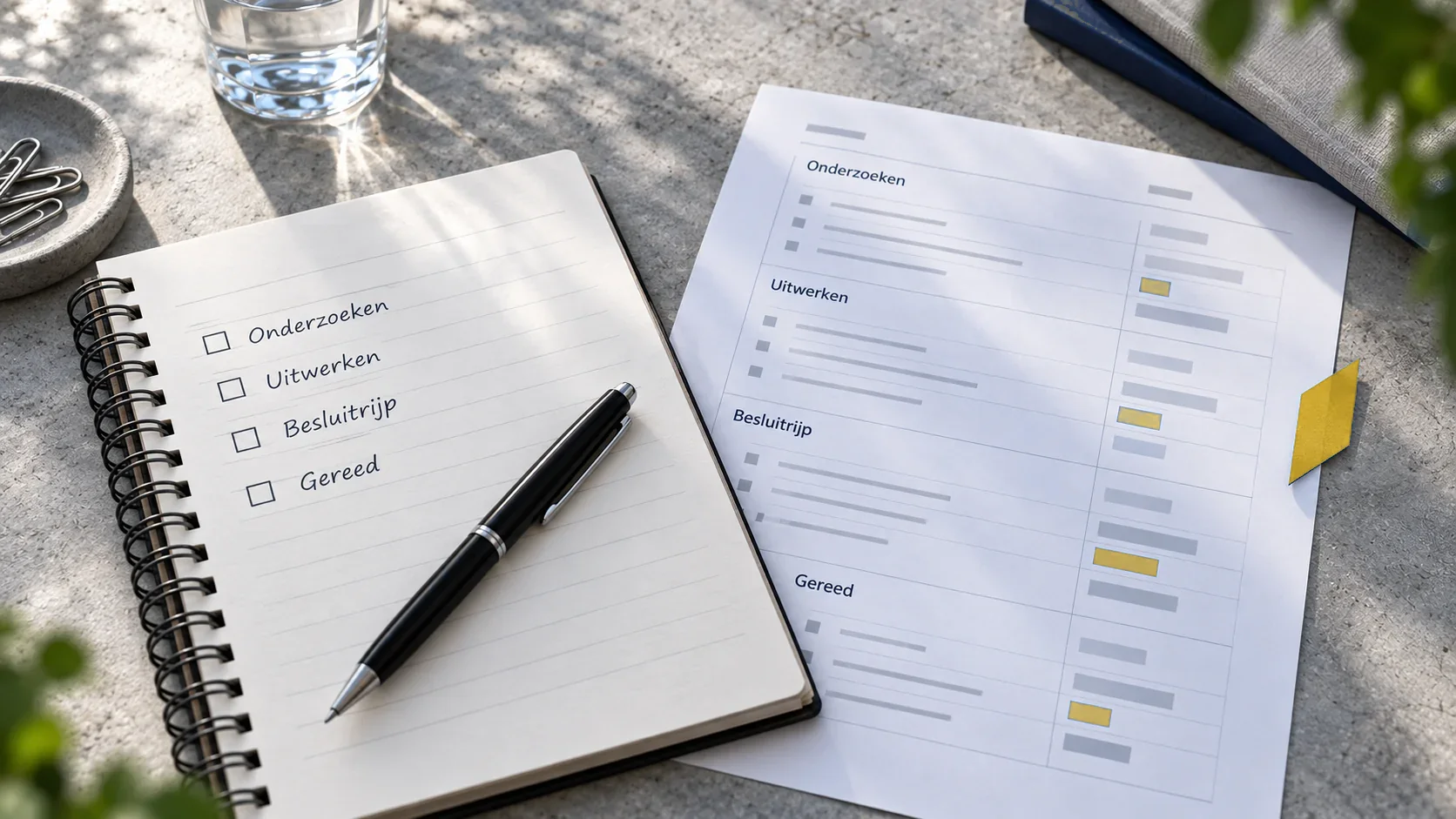
Workflow blueprint with decision gates and automation boundaries.

The Shift

AI belongs inside the workflow, not on top of it.

The opportunity is not more prompts. It is redesigned work.

When decisions, exceptions, handoffs, and ownership are visible, AI can take bounded parts of the flow without hiding responsibility.

One workflow becomes the proof: humans keep judgment, while AI multiplies the parts that no longer need to stay fully human.

The Method

01

See

Map how work actually moves: requests, tools, approvals, exceptions, and delays.

02

Split

Separate judgment, execution, data, handoffs, and exception paths.

03

Shift

Move work to the right actor: person, team, system, or agent.

04

Seed

Leave behind the maps, rules, and notes your team can reuse.

What You Receive

Workflow map

How the work actually moves today: people, tools, approvals, delays, and exceptions.

Decision model

What needs human judgment, what can be prepared, and what can move automatically.

AI leverage points

Where AI can draft, classify, check, monitor, route, summarize, or escalate.

Transfer package

Maps, rules, boundaries, and next steps your team can use for build or handover.

Insights That Drive Change

The productivity jump
is not in ChatGPT.

The jump comes when the workflow is clear enough for AI to take bounded action. AI can prepare decisions, check evidence, route work, draft outputs, monitor exceptions, and stop when judgment is needed.

Bring one
messy workflow.

Start with the recurring workflow where work stalls, approvals pile up, or AI experiments keep underperforming.

Send a workflow