
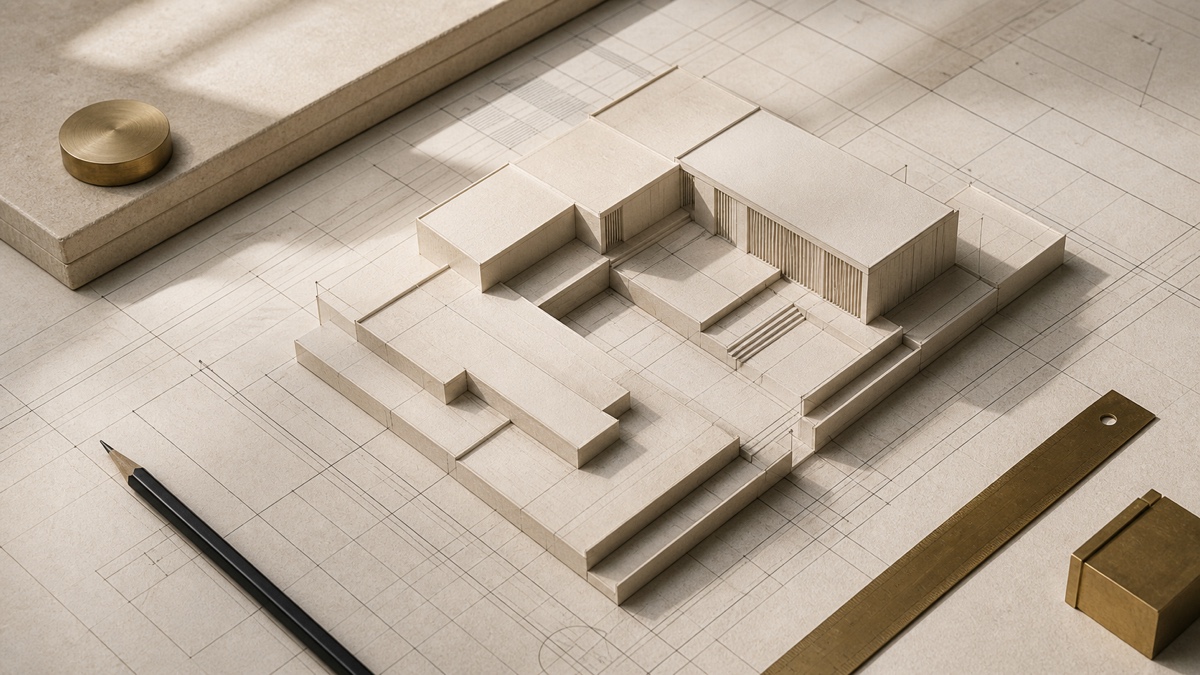
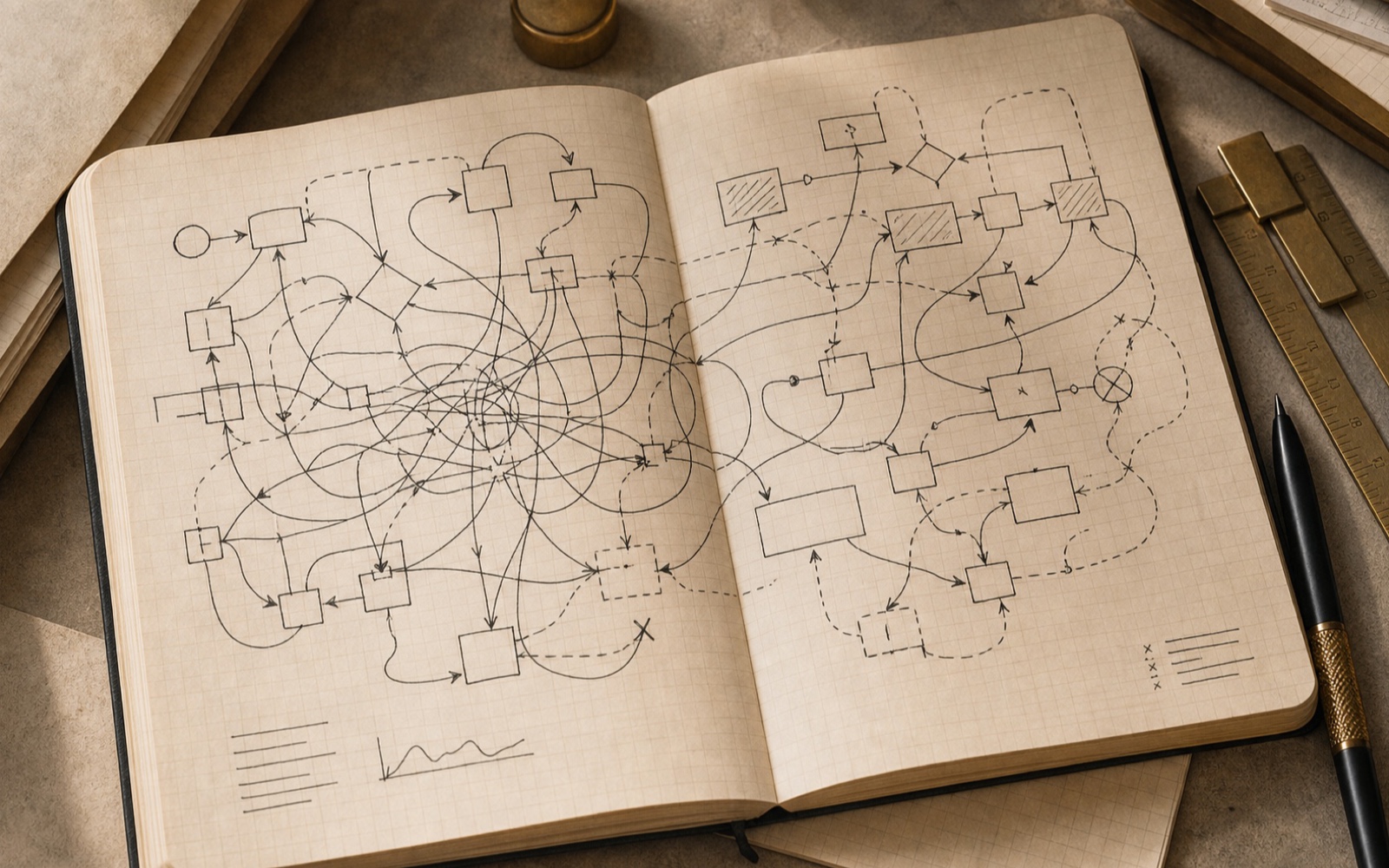
The workflow comes before the model.
A working demo can hide a broken workflow. It proves that a task can be performed, but not that the organization knows who owns the request, what happens when it breaks, or where judgment belongs.
When those decisions are missing, AI does not remove the mess. It moves the mess faster and makes the failure harder to explain.
The failure is usually structural.
The fragile parts are familiar: handoffs in Slack, approvals in email, exceptions nobody owns, and reporting logic that lives in one person's head.
The useful question is not which tool can automate the task. It is whether the workflow is clear enough for AI to prepare, act, escalate, or stop.
Automation makes clear systems faster and unclear systems louder.
Start smaller and name the work.
Pick one recurring workflow. Map how it actually moves. Name the decisions, the owner, the exception path, and the handoff criteria.
Only then decide what a person, system, or agent should do next.