
See
Map how work actually moves: requests, tools, approvals, exceptions, and delays.
The Method
See how work really moves. Split judgment from execution. Shift bounded work to people, systems, or AI. Seed the rules so the team can repeat it.
The Method
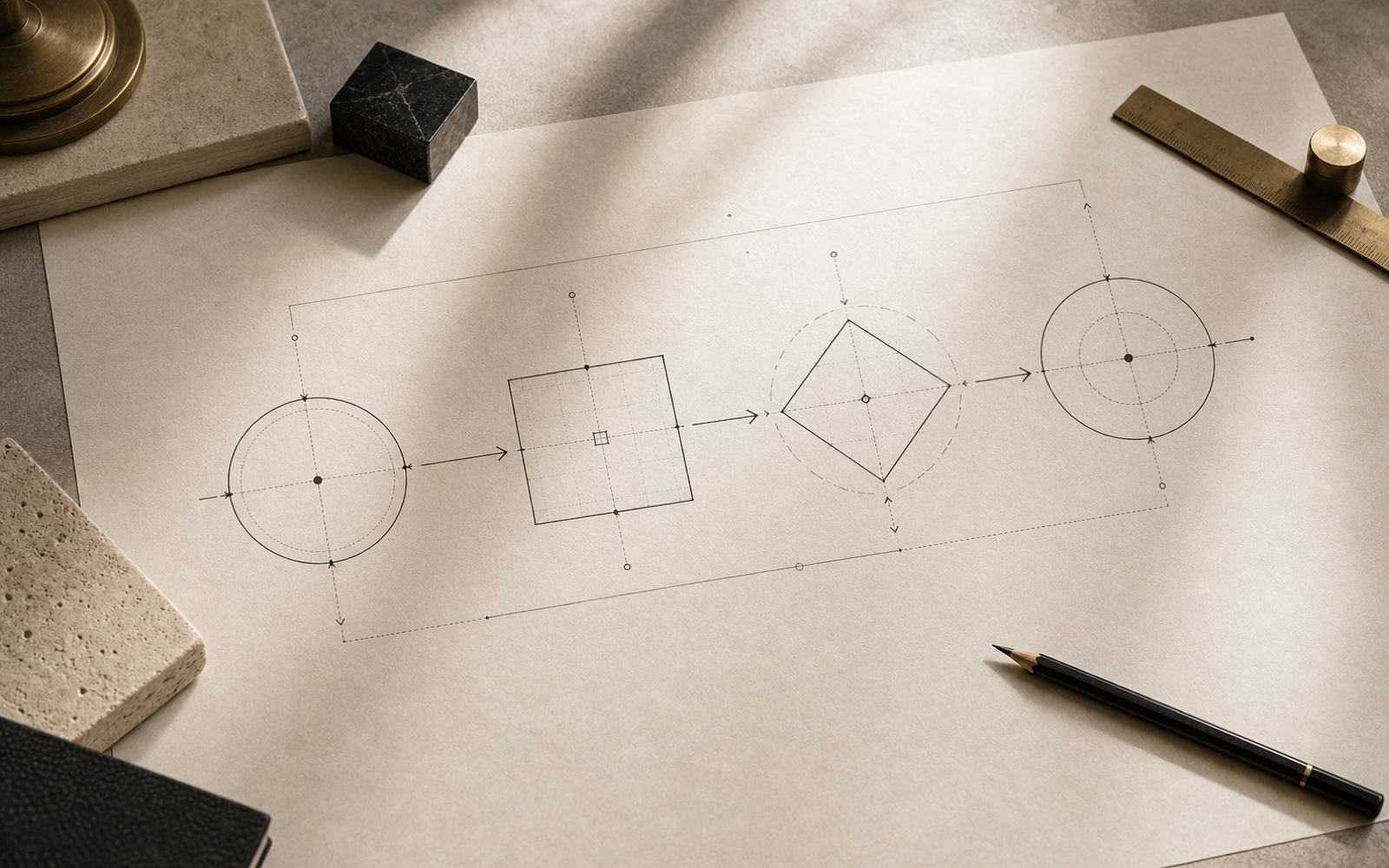
Map how work actually moves: requests, tools, approvals, exceptions, and delays.
Separate judgment, execution, data, handoffs, and exception paths.
Move work to the right actor: person, team, system, or agent.
Leave behind the maps, rules, and notes your team can reuse.
Method in Practice
We map how work really moves today: requests, data, tools, approvals, rework, exceptions, and waiting points.
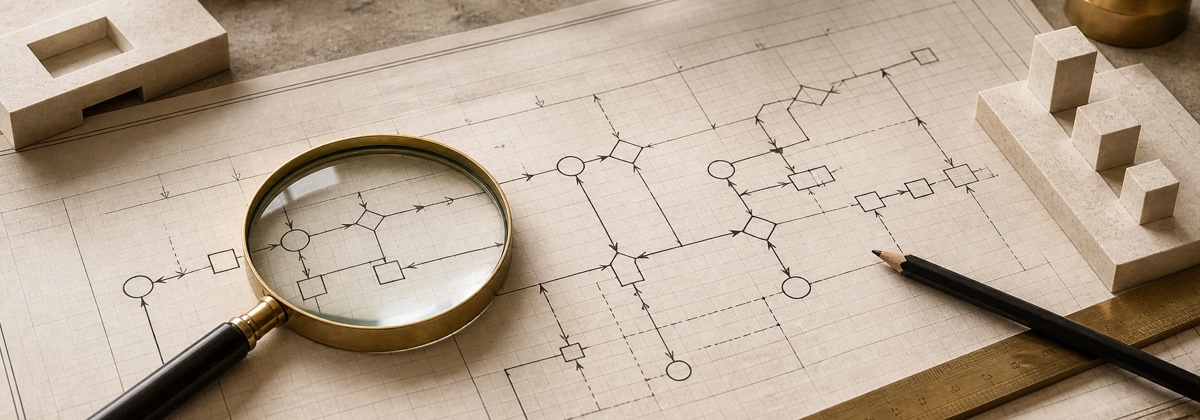
We separate judgment, preparation, execution, data, handoffs, and exception paths.
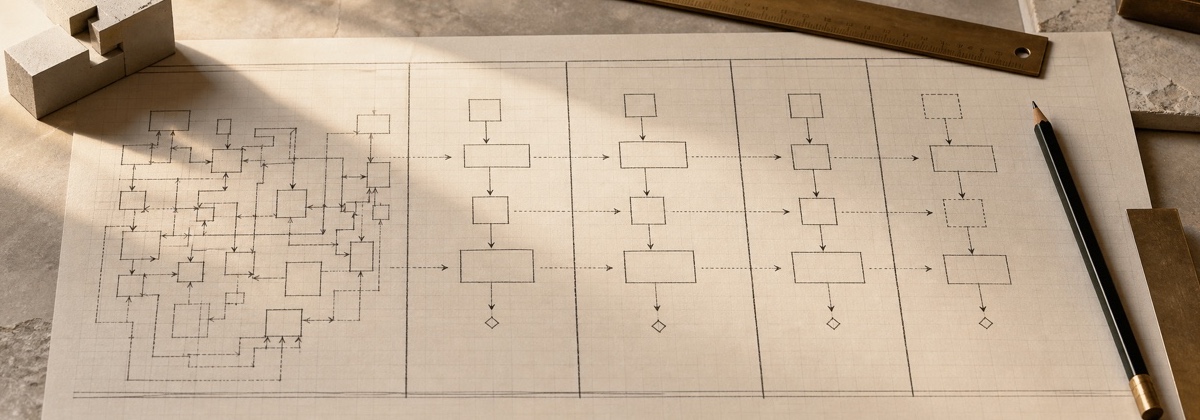
We redesign the flow so people keep judgment and AI takes bounded work where it can safely help.
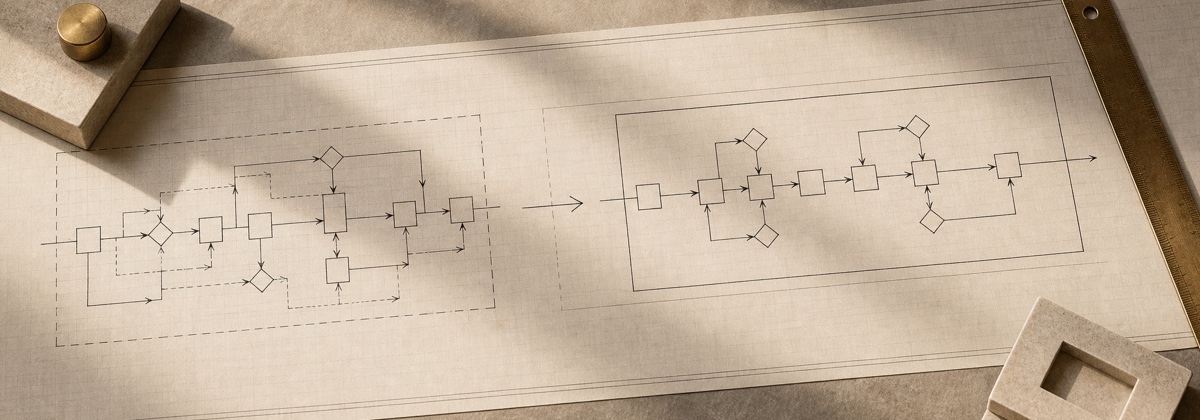
We transfer the maps, rules, boundaries, and decision logic so your team can redesign the next workflow without us.
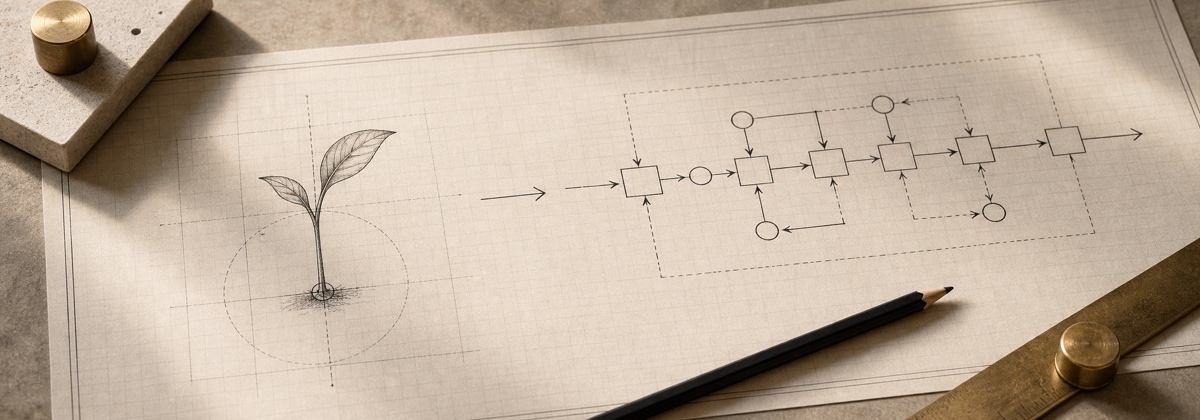
Artifacts We Deliver
A clear map of the recurring work, decision points, and exception paths.
What needs human judgment, what can be prepared, and what can move automatically.
Where AI can act, suggest, escalate, or never touch.
A handover package your team can run without us.
Our Belief
The method decides what AI may prepare, what it may act on, and where it must stop for human judgment.
Start with the workflow where AI could help, but the work is not clear enough yet.
Book a workflow scan