
Current state
How the workflow really runs today, including delays, exceptions, and ownership gaps.
Workflow Scan
Start with a 1-hour candidate read. If the workflow is strong enough, the scan maps it, redesigns it, and names where AI can prepare, act, escalate, or stop.
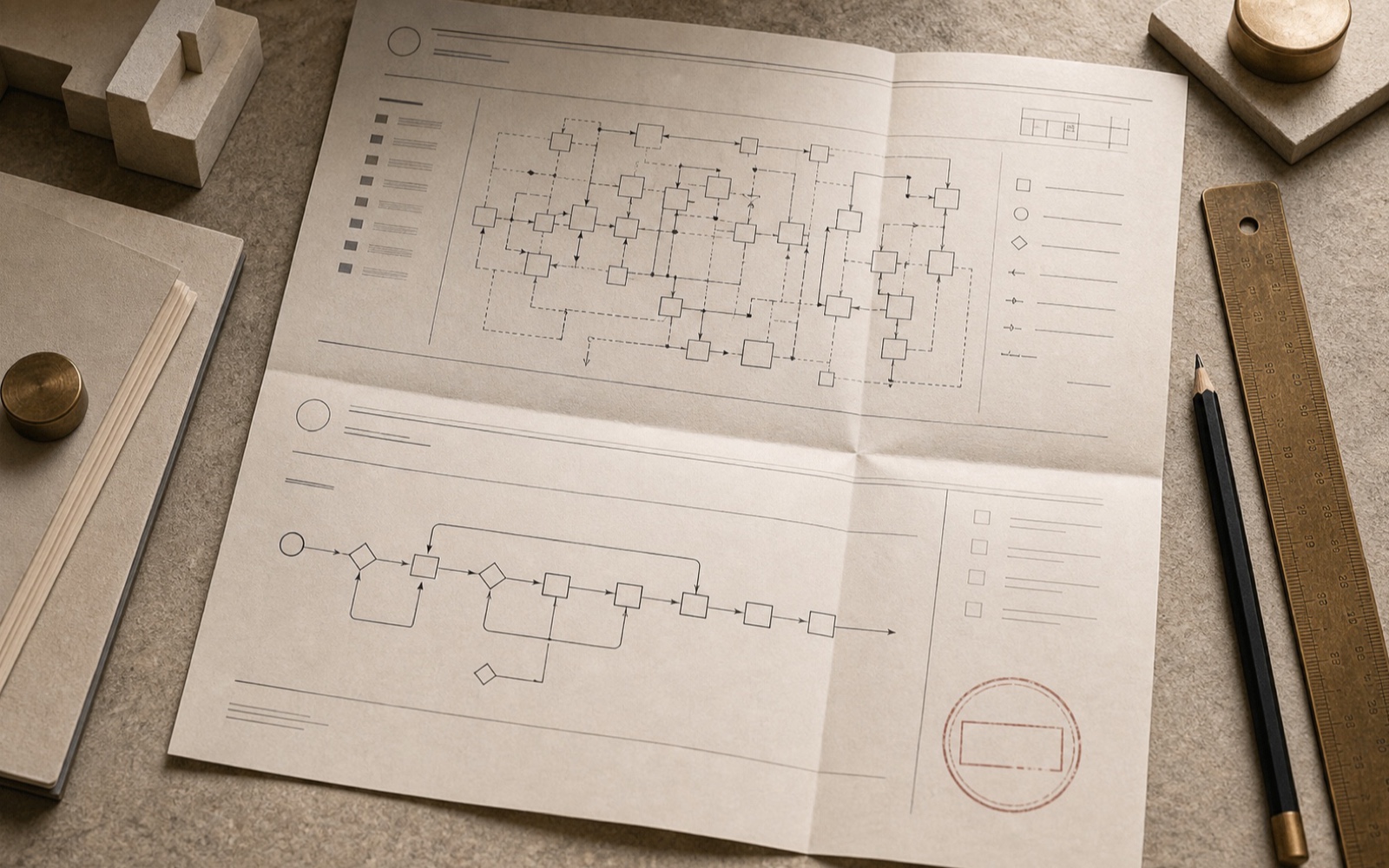
What We Assess
How the workflow really runs today, including delays, exceptions, and ownership gaps.
How the work should move after redesign, with gates, roles, and boundaries.
What to change, build, stop, or clarify next.
What You Receive
The current state with handoffs, exceptions, and owners made visible.
Where AI can prepare, check, route, draft, monitor, escalate, or stop.
Maps, decisions, boundaries, and next actions ready for the team.
Sample Artifact Pack
Why this workflow is worth scanning first, and what would make it a bad fit.
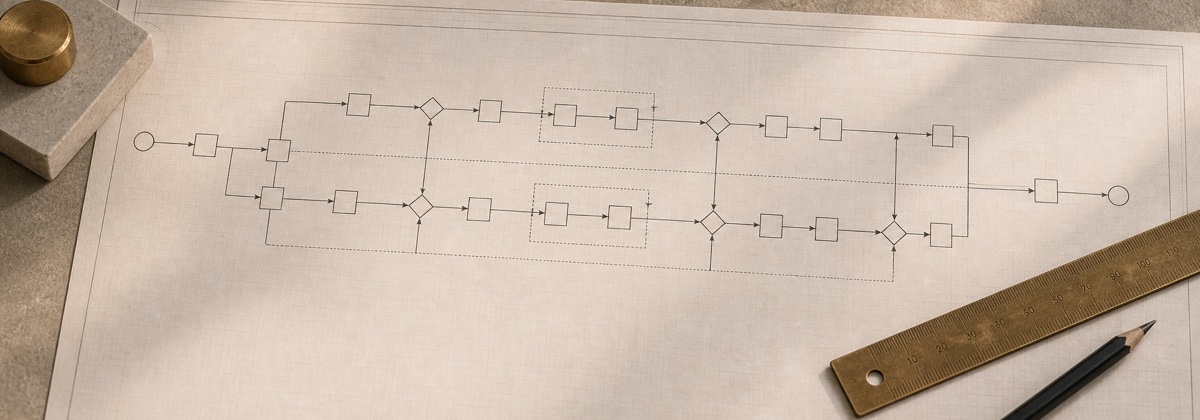
Current movement across people, systems, approvals, exceptions, and waiting points.
Where AI may act, where people approve, and where work must stop.
The pattern your employees can reuse when they redesign the next workflow.
How It Works
Use one focused hour to decide whether the workflow is worth scanning first.
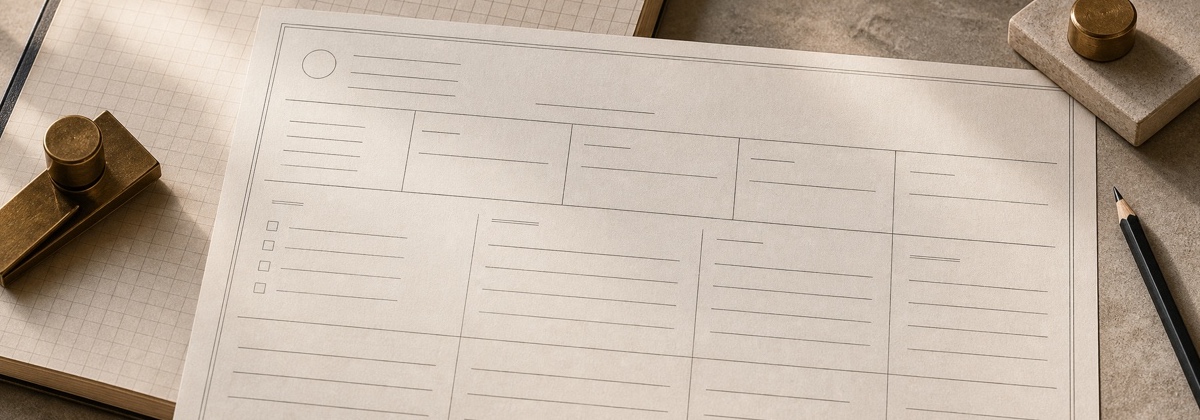
Trace how work moves across people, tools, agents, approvals, and exceptions.
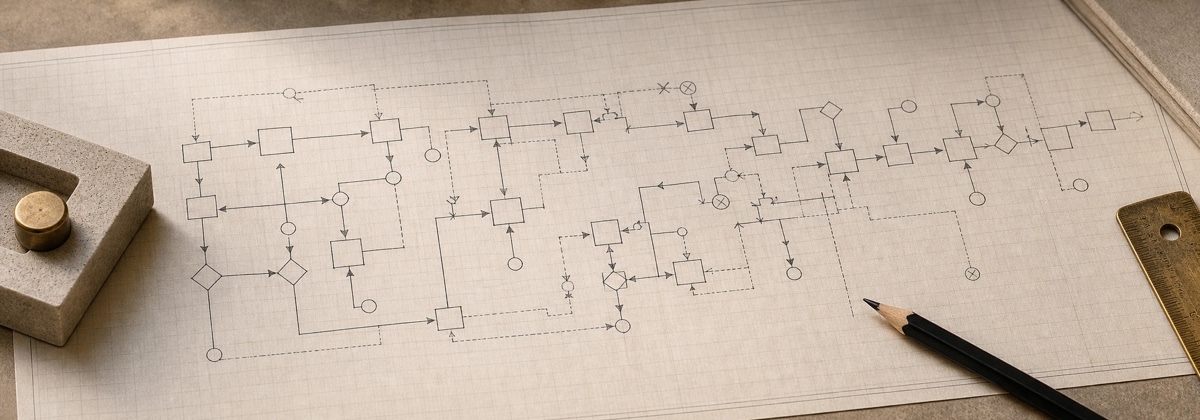
Create the target flow, ownership model, approval gates, and AI-action boundaries.
Transfer the logic so employees can spot, split, and improve the next workflow themselves.

Included
Not Included
Our Approach
A scan prevents teams from placing AI on top of unclear decisions, hidden exceptions, and vague ownership.
If the candidate is strong, the scan turns it into a teaching surface for workflow redesign and AI placement.
Send a candidate workflow